

 Speakers
Hire Top Mental Health Keynote Speakers
Organizations booking mental health speakers in 2026 are prioritizing “Wellbeing Intelligence” to combat a 39% national burnout rate. MCP Talent provides access to internationally recognized experts who deliver science-backed strategies to mitigate workplace stress and foster organizational resilience.
The State of Workplace Mental Health in 2026
The demand for mental health keynote speakers has transitioned from awareness to strategic intelligence. To support your event planning, we have aggregated the most critical benchmarks for organizations:
Mental Health Speakers and Advocates for Transformative Events
Our roster is curated for Real-World Authority. These experts bridge the gap between clinical theory and actionable performance.
Explore Category
Disabled |Health and Wellness |Healthcare |Humour |Mental Health |Patient Experience |Workplace Safety |



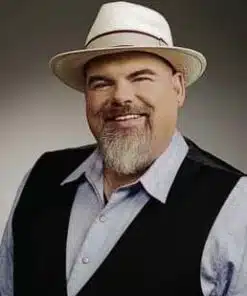
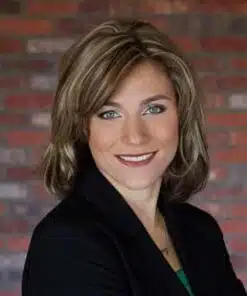






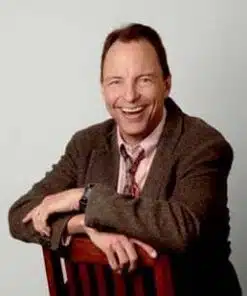

Trending Keynote Topics for 2026
- Wellbeing Intelligence in the AI Age: Balancing technological efficiency with human flourishing and empathy.
- Neuro-Leadership & Brain Health: Utilizing neuroscience to enhance decision-making and cognitive agility.
- Proactive Recovery Rhythms: Moving beyond reactive crisis management to structured downtime and recovery.
- The ROI of Psychological Safety: Creating environments where employees feel safe to innovate without fear of judgment.
WHAT OUR CLIENTS ARE SAYING
“In a day and age where presentations seem all to plentiful it has become more challenging to find unique and intimate experiences that truly can inspire the pursuit of a dream, a tear and a laugh, and help us each understand what it means t
"What a huge success – 107 participants! Your comics were just great, the content was so appropriate and relatable!"
Delmanor
"Thank you so much for keeping the audience in fits of laughter – it was a fun way to start the conference. The way you mixed mental health and comedy really clicked with our people as you could tell by the standing ovation. It’s great to see the way you find humor in such a serious topic."
Missouri Mental Health Foundation
"Outstanding presentation that is extremely valuable and applicable to organizational leaders, as well as everyday life”
A Global Energy Company
How to book a speaker
- Contact us for recommendations or to check whether a speaker is free on your date. We’ll prepare a proposal built for sharing, with fees, topics, and speaker videos gathered in one place.
- Chosen your speaker? We work to secure them for your event, presenting the offer and steering the contract through to signature.
- A dedicated logistics manager then covers the details: your pre-event call with the speaker, requirement coordination, and preparation right up to showtime.
Frequently Asked Questions about Mental Health Speakers
1. Can a mental health talk include comedy without trivializing the subject?
Yes, and an entire branch of this roster is built on it. Comedians who speak openly about their own depression or bipolar disorder use laughter deliberately: it relaxes a guarded room, signals that the subject can be spoken about out loud, and makes heavy material bearable for people who’d shut down in a sombre session. The craft lies in laughing with the experience, never at it. Watch full footage and notice where the jokes point; the good ones only ever aim the humour at themselves and at stigma.
2. Our event will touch on suicide prevention. What should we know beforehand?
Book a speaker who works in this area specifically, because responsible suicide prevention talks follow established safe-messaging practices: focusing on hope, help-seeking, and recovery rather than details of methods or acts. Give attendees advance notice of the subject so no one is caught off guard, and make support resources easy to find at the event and in the follow-up. Speakers who specialize here will guide you through this preparation as part of the booking; treat that guidance as part of what you’re paying for.
3. Should attendance at a mental health session be mandatory or optional?
Lean toward strongly encouraged rather than compulsory. For some employees, the subject sits close to painful personal experience, and forcing attendance can do the opposite of what the event intends. A practical middle path is making the session a scheduled, paid part of the workday, visibly attended by leadership, with a quiet understanding that anyone can step out without explanation. When leaders show up and stay, attendance takes care of itself far better than a mandate would.
4. How should we handle the Q&A after a mental health talk?
Plan it more carefully than a standard keynote Q&A. Open microphones can put someone in the position of disclosing more than they intended in front of colleagues, so anonymous written or app-based questions work better for this subject. Some speakers prefer a moderated conversation with a host instead of audience questions, and many make themselves available informally afterwards, which is often where the most meaningful exchanges happen. Ask the speaker what format they recommend; they’ve seen what protects people and what exposes them.
5. Can we bring the same speaker back in future years?
You can, and for this topic it sometimes beats novelty. A returning speaker carries the trust built the first time, and hearing a familiar person go deeper can outdo a stranger starting from zero, particularly in workplaces where openness took time to establish. The condition is fresh material: most established speakers maintain several distinct talks and workshop formats, so a return visit can move from awareness into skills. If the first visit was a keynote, a follow-up workshop a year later is a natural progression.
6. Does the content change for student and young-adult audiences?
Considerably, and most speakers in this category maintain a separate version for schools, campuses, and youth events. The stories stay, but the frame shifts to pressures that audience actually lives with: academic stress, social media, identity, and being new to seeking help. Pacing runs quicker and interaction heavier, because a gymnasium of students forgives nothing slow. If you’re booking for an institution, confirm the speaker regularly works with that age group and ask what safeguarding or content-notice practices they follow for younger audiences.